💳 In 2026, using a credit card wisely is not about luxury — it’s about financial control.
With rising expenses, online shopping, UPI-linked credit systems, and easy EMI offers, credit cards are everywhere. But many Indians still confuse “credit limit” with “extra income.”
Whether you earn ₹15,000 or ₹1,50,000 per month, understanding how to use a credit card properly can help you build your credit score, earn rewards, and avoid heavy interest charges.
📌 Why Credit Card Knowledge Is Important in 2026
In today’s India:
📈 Online spending is increasing
📱 EMI options are available everywhere
🏦 Banks offer instant approvals
💸 Interest rates can go up to 36–45% per year
👉 A credit card can either build your financial future or trap you in debt.
💡 Credit card = Financial tool, not free money.
🧠 Step 1: Understand How a Credit Card Actually Works
A credit card is a short-term loan from the bank.
You get:
- A credit limit (example: ₹1,00,000)
- 45–50 days interest-free period
- Monthly bill with due date
If you pay full amount before due date → No interest.
If you pay minimum due only → Heavy interest charged.
Example:
If your bill is ₹20,000 and you pay only ₹2,000 minimum,
The remaining ₹18,000 can attract 3–4% interest per month.
💥 That’s how small spending becomes big debt.
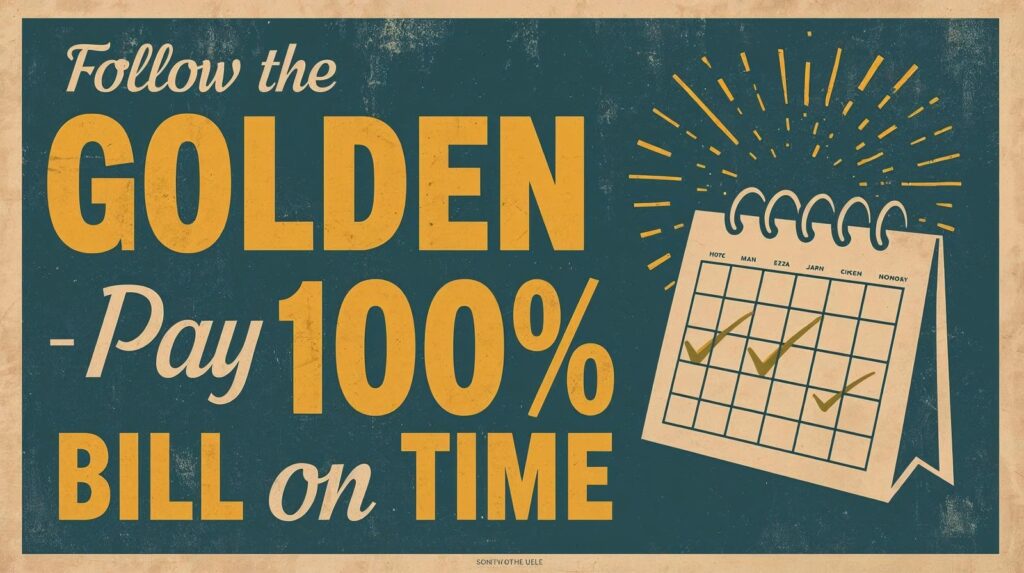
💰 Step 2: Follow the Golden Rule – Pay 100% Bill on Time
This is the most important rule.
✔ Always pay full statement amount
✔ Never pay only minimum due
✔ Set auto-debit for safety
Example:
Rahul (28, Delhi)
Earlier, Rahul paid minimum due thinking it’s enough.
Within 6 months, his ₹30,000 balance became ₹42,000 due to interest.
After switching to full payment auto-debit, he stopped paying extra charges.
📌 Full payment = Zero interest.
🎯 Step 3: Use Credit Cards for Planned Spending Only
Use your credit card for:
🏠 Utility bills
🛒 Groceries
📱 Mobile recharge
✈️ Planned travel
Avoid using it for:
❌ Impulse shopping
❌ Emotional spending
❌ Lending to friends
👉 If you cannot buy it with debit card, think twice before using credit card.
🛟 Step 4: Keep Credit Utilization Below 30%
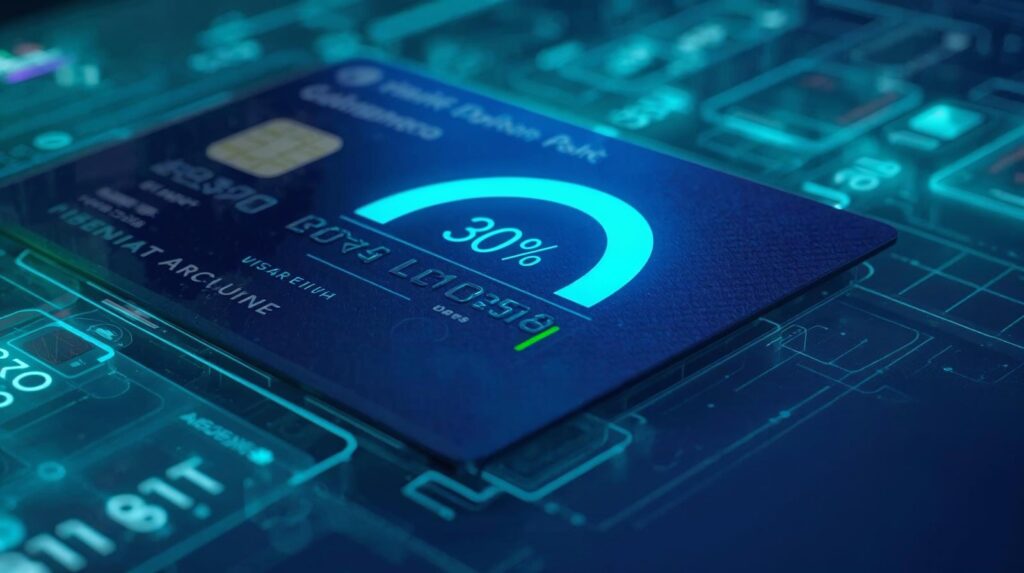
Credit utilization means how much of your limit you use.
Example:
Credit limit = ₹1,00,000
Best usage = ₹30,000 or less
Why?
✔ Improves CIBIL score
✔ Shows financial discipline
✔ Helps in future home or car loan approval
💳 High usage = Risk signal for banks.
🎁 Step 5: Use Rewards Smartly (But Don’t Overspend)
Most Indian credit cards offer:
- 1–5% cashback
- Reward points
- Discount offers
Example:
If you spend ₹3,00,000 per year and get 2% cashback
You earn ₹6,000 annually.
Sounds good?
Yes — only if you don’t pay interest.
⚠️ Paying ₹10,000 interest to earn ₹6,000 cashback makes no sense.
Reward strategy:
✔ Use card for normal expenses
✔ Track reward caps
✔ Don’t buy extra just for points
📊 Step 6: Understand Interest & Hidden Charges
Credit card charges in India:
- Interest: 30–45% per year
- Late fee: ₹500–₹1,300
- GST on fees: 18%
- Cash withdrawal charges
Avoid:
❌ ATM cash withdrawal
❌ EMI without checking total cost
❌ Missing due date
📌 One late payment can reduce your credit score.
🚫 Common Credit Card Mistakes Indians Make
❌ Paying only minimum due
❌ Applying for too many cards
❌ Ignoring billing cycle
❌ Using credit card as emergency fund
❌ Not reading SMS alerts
Avoiding these mistakes can save you thousands every year.
🌟 Smart Credit Habits That Work in 2026
✔ Set bill payment reminder
✔ Use only 1–2 cards
✔ Track spending weekly
✔ Increase limit only if needed
✔ Review card annually
🔄 Discipline > Rewards.
📱 Digital Tools That Help in 2026
India is highly digital now.
Use:
📲 Banking apps – track spending
📊 Expense tracker apps – monthly review
🔔 SMS alerts – instant transaction updates
💡 Auto-pay setup – avoid late fees
Technology + discipline = Financial control.
📈 Credit Cards & Credit Score
Using a credit card properly helps you:
✔ Build CIBIL score
✔ Get lower interest loans
✔ Get higher credit limits
✔ Improve financial reputation
But misuse can damage your score for years.
Credit card is a double-edged sword.
Frequently Asked Questions (FAQ)
Is minimum due safe to pay?
No. It avoids late fee but interest continues.
Can low-income earners use credit cards?
Yes, but only with strict spending control.
Should I close old credit cards?
Not always. Older cards help credit history.
Are credit card rewards taxable?
Cashback is generally treated as discount, not income.